The feasibility study for products we are working on is one that requires rigor, patience and experience. In order for a project to have a high ROI and be cost efficient, it requires special experience.
solar-wind
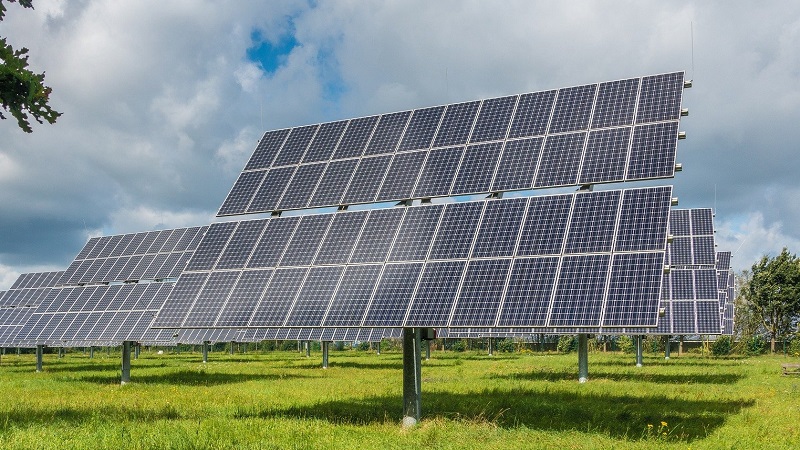
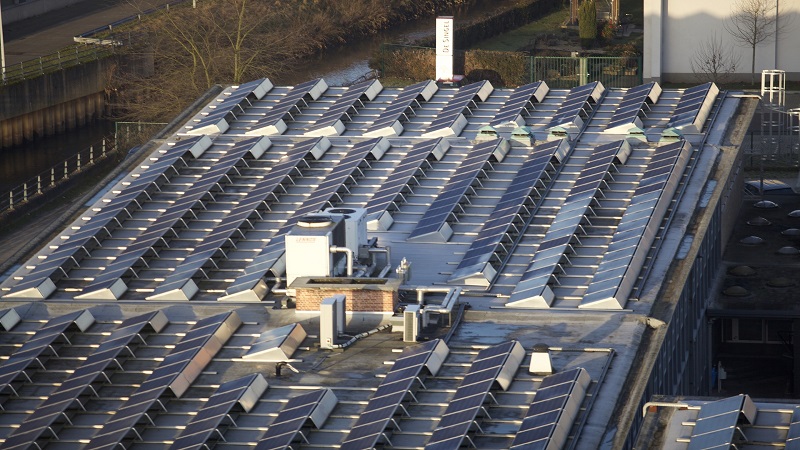
ESDM are now focusing on NRE development, including the intermittent energy, solar panel 2,000 MW. . Globally, prices of solar PV or solar panel are decreasing, and the same goes with the installation costs.
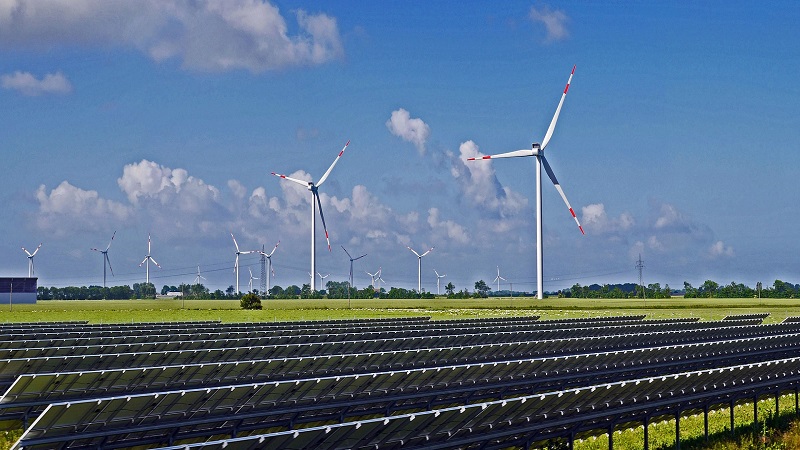
In line with the Indonesian government, part of our project is also a feasibility study for a hybrid project between solar and wind power. We have developed specific solutions to address the intermittent matter.
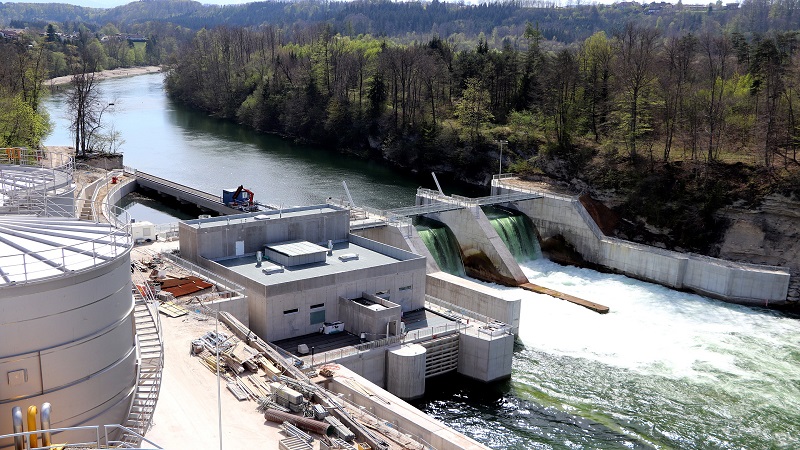
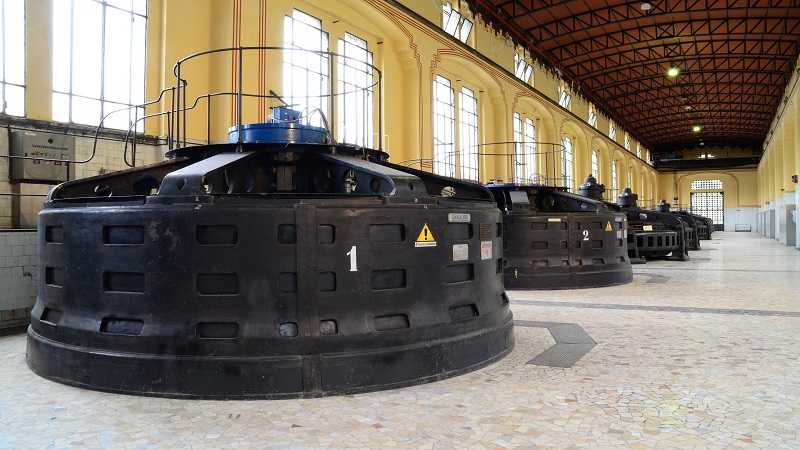
Hydropower
The Ministry of Energy and Mineral Resources also continues to optimize projects that have been registered in the List of Selected Providers (DPT) of PT PLN (Persero), but have stopped and to be developed with a pure IPP scheme or mandatory PLN subsidiary with a potential to 5,425 MW.
In line with our experiences in hydro feasibility study we can help to build microhydro and hydropower with efficiency and profitable.
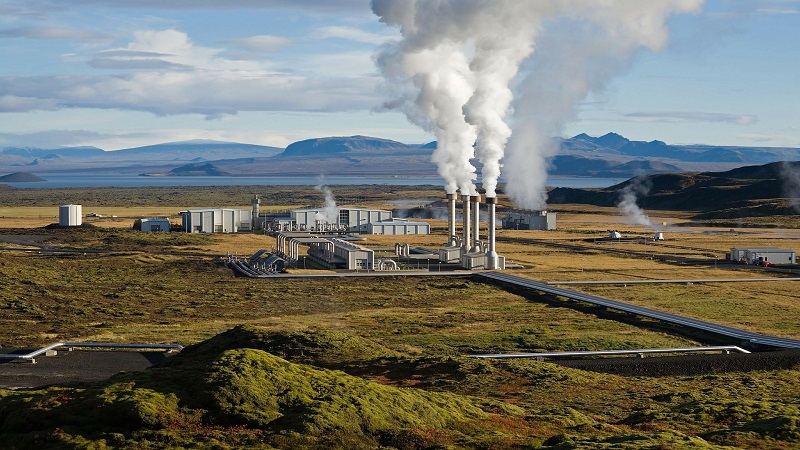
Geothermal
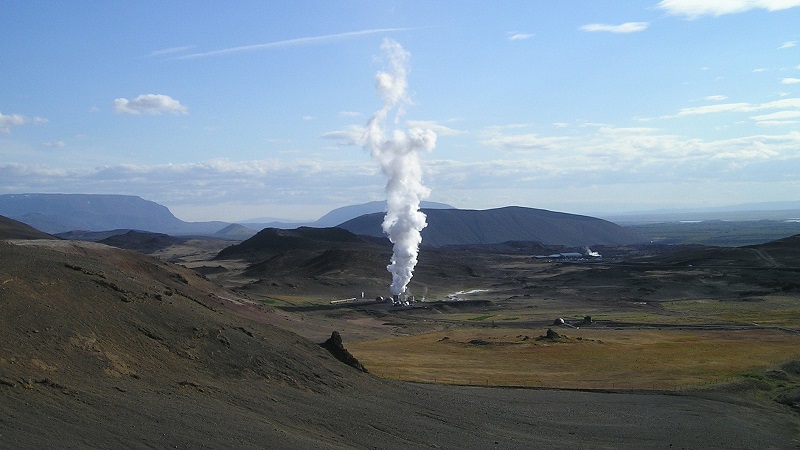
As a note, Indonesia’s potential is 40% of the world’s geothermal resources. If it is used for 30 years, it would be equivalent to 12 billion barrels of oil to operate power plants.
We are currently surveying the geothermal potential in Sumatra, Java and Nusa Tenggara. One of the challenges is that it takes a large amount of money for the initial costs of this project.
Gas-steam
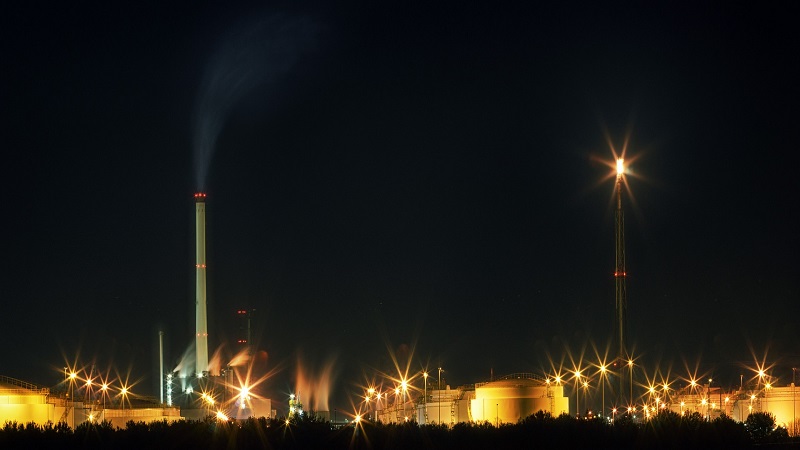
One of the things that is interesting for us to conduct a Feasibility sSudy for the Gas-Steam Power Plant is that PGN will work on the pipeline infrastructure that will connect PGN’s South Sumatra West Java (SSWJ) transmission pipeline to PT Pertagas’ West Java Area (WJA) transmission pipeline in West Java region. This power plant is clearly more efficient (as the current gas price of USD 6.0 / MMBTU does not fluctuate) and cleaner than other fossil energy generators.
Energy Storage
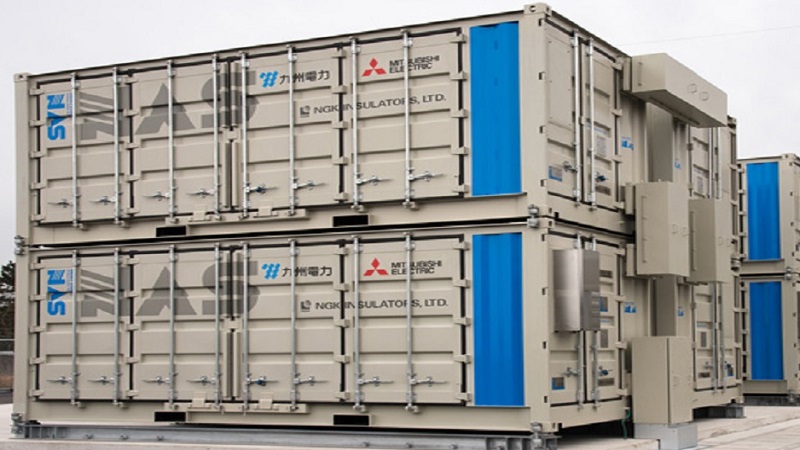
The current challenge is energy storage, namely the conversion of energy from a form that is difficult to store into a form that is more convenient or can be economically stored.
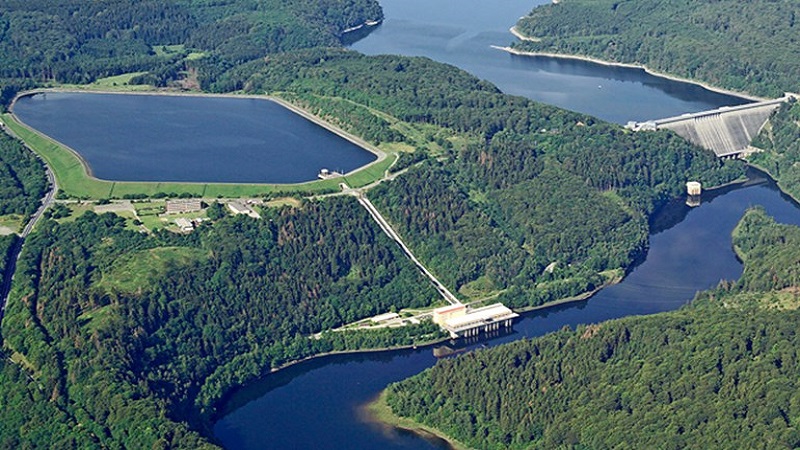
We are interested in developing technologies that can provide longer-lasting, large-scale storage of energy that can be used in person or as a backup. Currently, bulk energy storage is still dominated by hydroelectric dams, both with conventional and pumped dams.